

Strengthening education-to-career pathways in Environmental Science and Natural Resources across the North State.
North State Together’s Educating Future Environmental Stewards in the North State initiative, supported through the North State Jobs First Catalyst Program, brought together education, workforce, industry, and community partners to strengthen environmental education and career pathways throughout the region.
The North State Together Approach:
Regional Collaboration, Local Impact
At the heart of the initiative was North State Together’s collective impact model, which brings together regional partners around shared priorities while supporting local networks in developing solutions responsive to their communities.
The initiative leveraged established K–16 partnerships to strengthen alignment between education and workforce systems in Environmental Science and Natural Resources. With an emphasis on rural communities, the work focused on increasing access to educational pathways, strengthening cross-sector partnerships, and connecting students with career opportunities in the region.
Rather than implementing a single regional program, North State Together supported two complementary strategies:
Supporting Local Action
Through six competitively selected subgrant projects, North State Together supported local networks and partners in developing and expanding environmental education and workforce pathways tailored to their communities.
Building Regional Capacity
Alongside the local projects, North State Together contributed to the development of a Regional Training Center at the Shasta College Community Leadership Center, supporting dedicated infrastructure for professional learning, workforce training, and regional collaboration.
Supporting Local Action: Six Subgrant Projects
The six subgrant projects reflected the diverse environmental and workforce needs of communities across the North State, with activities ranging from paid internships and environmental restoration to forestry training, sustainable construction, and hands-on environmental education.
Each project built on local partnerships and community strengths while creating opportunities for students to explore environmental careers, develop practical skills, and connect classroom learning with real-world experiences.
CareerQuest Summer Internships
Lead Network:
Reach Higher Shasta
The CareerQuest Summer Internship Program was a collaborative initiative between Shasta College, Reach Higher Shasta, and Trinity Together, providing high school students in Shasta and Trinity Counties with paid, work-based learning experiences in the environmental science sector.
Students participated in a one-week Work Ready Boot Camp followed by paid internships with local industry partners, while also earning college credit through a Shasta College Work Experience course.
Project Focus
Paid Work-Based Learning: Expanded access to paid internships and hands-on experiences with regional environmental science employers.
College and Career Readiness: Integrated internships with college credit-bearing coursework and career preparation.
Student Access: Supported rural and underserved youth in exploring high-quality, in-demand local career pathways.
Regional Partnerships: Strengthened collaboration among education, workforce, and industry partners to connect students with professional opportunities.
Project Focus
Environmental Education: Expanded environmental science learning opportunities through enhanced curriculum and educational infrastructure.
Career Exploration: Increased student exposure to environmental science and natural resource career pathways, particularly among economically disadvantaged students.
Hands-On Learning: Supported career-aligned instruction through environmental learning resources, equipment, and applied educational experiences.
Pathway Development: Strengthened connections between middle school and high school environmental education programming to support continued student engagement.
Growing Environmental Education Infrastructure in Shasta County
Lead Network:
Reach Higher Shasta
This project focused on enhancing environmental science and career readiness programming across elementary, middle, and high school settings in Shasta County. Through partnerships with Redding School District and West Valley High School, the project supported environmental career curriculum resources across three Redding School District school sites and the development of an aquaponics learning lab at West Valley High School. These investments expanded opportunities for hands-on environmental education while connecting classroom learning with environmental science, natural resources, and related career pathways.
Empowering Siskiyou, Trinity, and Modoc Students in Forestry and Natural Resources
Lead Network:
SiskiyouWorks
This cross-county initiative served high school and college students across Trinity, Siskiyou, and Modoc Counties, focusing on sustainable forestry, Indigenous land stewardship, wildfire mitigation, and natural resource management. Through partnerships with Tribal nations, schools, conservation organizations, and industry partners, the project integrated Indigenous Traditional Ecological Knowledge, hands-on field experiences, and industry-aligned curriculum, alongside opportunities for students to earn certifications and participate in internships.
Project Focus
Paid Work-Based Learning: Expanded access to paid internships and hands-on experiences with regional environmental science employers.
College and Career Readiness: Integrated internships with college credit-bearing coursework and career preparation.
Student Access: Supported rural and underserved youth in exploring high-quality, in-demand local career pathways.
Regional Partnerships: Strengthened collaboration among education, workforce, and industry partners to connect students with professional opportunities.
Project Focus
Hands-On Construction Education: Integrated real-world construction management skills and sustainable building practices into Career Technical Education programming.
Industry Engagement: Involved local employers and technical experts in supporting pathway development and connecting students with construction career opportunities.
Workforce Alignment: Strengthened connections between classroom instruction, regional labor market needs, and environmentally responsible construction practices.
Community Awareness: Promoted student and community interest in construction careers, energy efficiency, and sustainable building methods.
Strengthening Environmental Stewardship through CTE and Construction Management

Lead Network:
Expect More Tehama
This project expanded the Construction Career Technical Education pathway at Red Bluff High School with a focus on Construction Management, Energy Efficiency, and Sustainability. Through a hands-on Tiny House construction project, students gained practical experience in environmentally responsible building practices, including sustainable material use and energy-efficient design, while engaging directly with local employers and industry experts.
Student and Landowner Education and Watershed Stewardship (SLEWS)
Lead Network:
Expect More Tehama
The Student and Landowner Education and Watershed Stewardship (SLEWS) project was a hands-on environmental education and workforce readiness initiative engaging Los Molinos High School students in habitat restoration and career exploration.
Facilitated by the Resource Conservation District of Tehama County and supported by Expect More Tehama, the project combined classroom instruction with restoration field days and mentorship from conservation professionals.
Project Focus
Environmental Restoration and Career Exploration: Connected students with field-based restoration activities and opportunities to learn directly from conservation and natural resource professionals.
Habitat Improvement: Supported local restoration efforts through native planting and habitat enhancement activities.
Student Skill Development: Strengthened communication, leadership, teamwork, and environmental stewardship skills through applied learning experiences.
Equitable Access: Provided locally accessible environmental education opportunities designed to reduce participation barriers for underserved students.
Long-Term Sustainability: Supported continued environmental learning and stewardship through improvements to the school farm and partnerships with conservation professionals.
Project Focus
Paid Work-Based Learning: Expanded equitable access to paid environmental stewardship experiences and practical workforce preparation.
Industry-Aligned Training: Provided opportunities to develop technical skills and pursue certifications in areas such as First Aid, CPR, and natural resource management.
Tribal and Ecological Knowledge: Integrated Indigenous Traditional Ecological Knowledge through engagement with Tribal leaders and regional partners.
Regional Collaboration: Connected students with natural resource professionals and shared learning experiences across communities.
Career Pathways: Supported student exploration of postsecondary education, apprenticeships, and employment opportunities in Environmental Science and Natural Resources.
Trinity County Environmental Stewards
Lead Network:
Trinity Together
The Trinity County Environmental Stewards project prepared Trinity County youth for careers in Environmental Science and Natural Resources through paid, hands-on work experiences with the Youth Conservation Corps.
In partnership with the Watershed Research and Training Center, students participated in environmental stewardship activities alongside professionals, including foresters, wildlife biologists, and Tribal leaders, while gaining exposure to industry-recognized certifications and regional learning experiences.
Building Regional Capacity: Regional Training Center
Alongside the six locally driven subgrant projects, North State Together invested in regional infrastructure intended to strengthen professional learning, workforce development, and cross-sector collaboration throughout the North State.
Through its contribution to the development of a Regional Training Center, NST supported the creation of a shared space designed to bring education, workforce, industry, and community partners together around regional priorities and long-term education-to-career pathway development.
Regional Training Center
Lead Network:
North State Together
North State Together contributed to the development of the Regional Training Center, located on the first floor of the Shasta College Community Leadership Center in downtown Redding.
Building on Shasta College’s development of a new event and gathering space, North State Together supported enhancements intended to strengthen its use as a regional hub for professional learning, workforce training, and cross-sector collaboration.
Centrally located within the North State, the Regional Training Center was envisioned as a multipurpose facility bringing together K–12 education, community colleges, workforce organizations, employers, and community partners to strengthen regional coordination and expand opportunities for education-to-career pathway development.
Project Focus
Professional Development: Support aligned training for educators, counselors, administrators, and industry partners on college and career pathway development, equity-centered practices, and professional learning.
Cross-Sector Collaboration: Provide a shared convening space for K–12 districts, community colleges, workforce partners, employers, and community-based organizations to strengthen regional coordination and planning.
Pathway Development and Technical Assistance: Support professional collaboration, coaching, and technical assistance related to K–16 pathway design, implementation, and continuous improvement.
Student and Family Engagement: Create opportunities for college and career events, financial aid workshops, and awareness of postsecondary education and Career Technical Education pathways.
Industry and Workforce Partnerships: Strengthen employer engagement, advisory partnerships, and training opportunities that support internships and career-connected learning.
Funding & Regional Context
Educating Future Environmental Stewards in the North State was supported through a $1 million award from the North State Jobs First Catalyst Program, part of the statewide California Jobs First initiative.
North State Jobs First is co-convened by the North State Planning and Development Collective (NSPDC) and the Sierra Institute, bringing together regional partners to advance economic resilience, environmental sustainability, and workforce development priorities identified in the North State Regional Plan.
To learn more about North State Jobs First, the regional priorities guiding this work, and the organizations supporting these efforts, explore the resources below.
Latest News
JUNE 2026 | NSTogether Quarterly Issue 43
Celebrating Local Wins & Opportunities Across the North State North State Together’s June 2026 edition [...]
23
Jun
Jun
MARCH 2026 | NSTogether Quarterly Issue 42
Celebrating Local Wins & Opportunities Across the North State North State Together’s March 2026 edition [...]
25
Mar
Mar

SEPT 2025 | NSTogether Quarterly Issue 41
Celebrating Local Wins & Opportunities Across the North State In our September 2025 edition of [...]
01
Sep
Sep

JUNE 2025 | NSTogether Quarterly Issue 40
NST Heads to Yosemite & Catalyzes Rural ChangeIn our June 2025 edition of NSTogether, we [...]
01
Jul
Jul
March 2025 NSTogether | Issue 39
A lot is happening in the North State! We’re looking back at our 8th Annual NST [...]
02
Apr
Apr
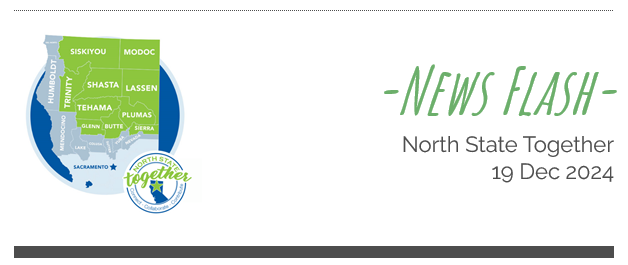
NST News Flash | Dec 2024
We’re proud to share how North State Together is recognized as a statewide leader in [...]
19
Dec
Dec
Fall 2024 NSTogether | Issue 38
It’s been a busy and productive fall for North State Together, filled with meaningful collaborations, [...]
04
Dec
Dec
Summer 2024 NSTogether | Issue 37
Click the button below to read highlights about the K16 State Site Visit, Community Schools, [...]
03
Sep
Sep